


 Home
HomeWhat Are Your Rights If an Insurance Policy or Claim is Rejected After a Background Check?

This entire process is regulated. Laws like the EU’s Insurance Distribution Directive (IDD) and human rights conventions exist to ensure insurers act fairly and transparently. An insurer’s primary duty is to act in the best interests of their customers. We’ll explore what you can do when they fail that duty.
Why Do Insurers Conduct Background Checks?
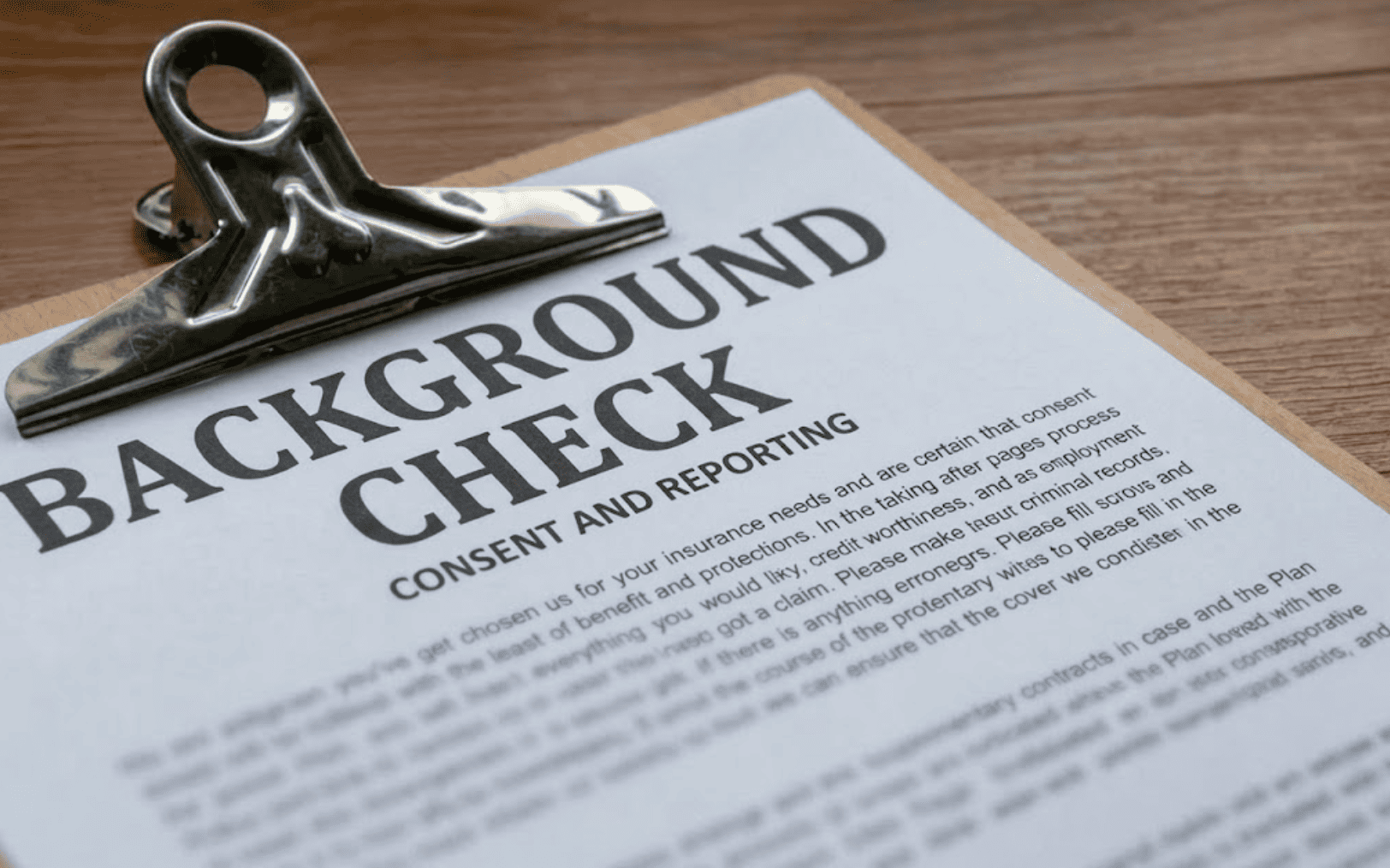
Insurance companies run background checks for three main reasons: to assess risk, verify your information, and prevent fraud. This process, known as underwriting, is the foundation of their business model. It helps them decide whether to offer you a policy and how much to charge.
- Risk Assessment: Insurers want to evaluate the likelihood you’ll file a claim. This means reviewing your driving record for auto insurance, your medical history for a life or health policy, and sometimes even criminal records for property insurance.
- Information Verification: They need to confirm the details you provided are accurate. Insurers use official sources like Motor Vehicle Reports (MVRs), the Medical Information Bureau (MIB), and property claim databases (like CLUE reports) to cross-reference your application. A background check itself might only take 24–72 hours, but don’t be fooled—the insurer’s own review of those findings can add weeks to your application timeline.
- Fraud Prevention: These checks are also a tool to spot applicants trying to commit fraud, like hiding pre-existing medical conditions or a history of DUIs. This protects both the insurer and its honest policyholders from the higher costs that fraud creates for everyone.
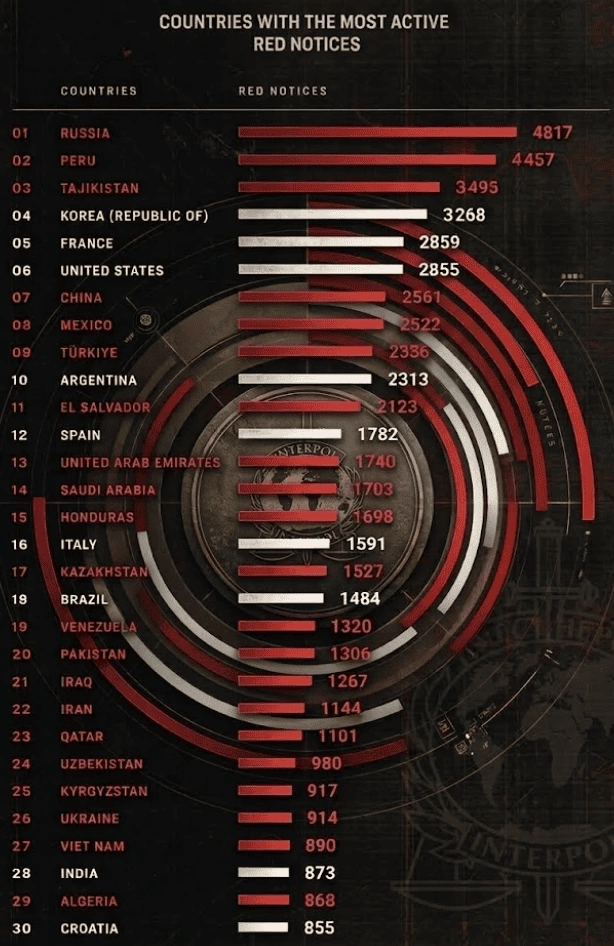
- International Records Checks: For applicants with ties to more than one country, some insurers also screen international law-enforcement databases and watchlists. An active or historical Interpol notice can surface here — even one that was issued in error or has never been substantiated in court.
What Information Can Legally Lead to a Rejection?
The most common valid reason for an insurer to reject you is “material misrepresentation.” This isn’t a small fib. It’s when you provide false or incomplete information that, had the insurer known the truth, would have caused them to deny your application outright or charge a much higher premium. This concept is a cornerstone of insurance law around the world.
Some specific high-risk factors that often lead to rejection are:
- For Auto Insurance: If a background check uncovers multiple at-fault accidents, DUIs, or serious traffic violations, providers like GEICO or Progressive will likely deny coverage. They rely on Motor Vehicle Reports to confirm your driving history is what you claim it is.
- For Life/Health Insurance: An undisclosed serious medical condition, a history of substance abuse, or a dangerous occupation discovered during underwriting are all common grounds for denial.
- For Home Insurance: Insurers like Farmers or State Farm might reject your application if a check reveals a history of property-related claims (especially for recurring issues like water damage) or a criminal record for offenses such as arson, theft, or fraud.
When Does a Rejection Become Unlawful or Discriminatory?
An insurer’s right to reject applicants is not a blank check. European law, in particular, offers strong protections against unfair and discriminatory practices. If a denial is based on protected characteristics or uses your personal data in an unjust way, it can be challenged.
Violation of Fundamental Rights: Article 8 of the European Convention on Human Rights (ECHR) guarantees your right to respect for private life, which explicitly includes protecting your personal data. When combined with Article 14, which prohibits discrimination, this means an insurer cannot use data from a background check in a way that is discriminatory without justification.
Prohibited Grounds for Discrimination: EU law is very clear on certain forbidden criteria. A landmark Court of Justice of the European Union ruling in Association belge des Consommateurs Test-Achats and Others (C‑236/09) made it illegal for insurers to use gender as a risk factor to set different premiums or deny policies. This principle now extends to other protected characteristics, such as race or ethnic origin.
Improper Data Use: How your data is used must be fair and for a legitimate purpose. The Insurance Distribution Directive (EU) 2016/97 demands that insurers act “honestly, fairly and professionally.” Using outdated, irrelevant, or inaccurate information from a background check to deny you a policy could violate this duty. For example, denying auto insurance over an old, minor, and completely unrelated offense could be challenged as unfair. If you believe a rejection is unjust, you may need to dispute the insurer’s decision.
When an Interpol Notice or Extradition Case Is the Real Reason Behind a Rejection
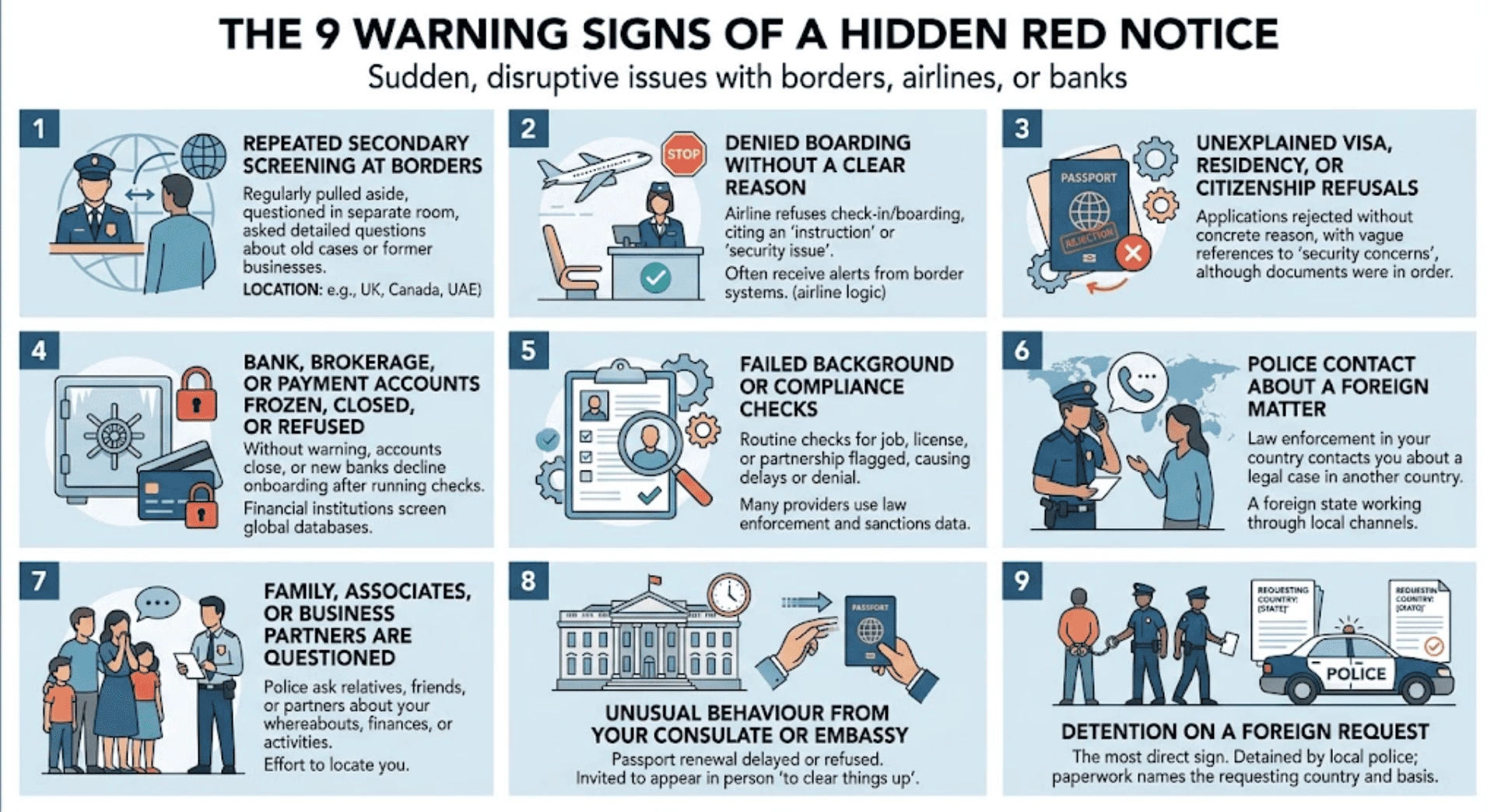
A background check doesn’t only surface driving records or medical history — it can also flag an active Interpol Red Notice or an ongoing extradition matter, sometimes years after the underlying case was closed or was never substantiated in the first place. Insurers treat this as a high-risk signal and may reject an application or claim outright, regardless of whether the notice was ever reviewed for accuracy or fairness.
If a Red Notice or extradition record is the actual reason behind your rejection, disputing the insurer alone won’t solve the underlying problem — the more effective step is usually to challenge the notice itself at its source.
EU vs. UK vs. UAE: Comparing Your Rights After a Rejection
The legal shield protecting you from an unfair insurance rejection varies greatly depending on where you are. Protections are at their strongest in the European Union. The UK maintains similar principles post-Brexit, while the UAE’s framework is more narrowly focused on anti-money laundering compliance.
| Jurisdiction | Key Legal Protections | Basis for Challenge | Recourse |
|---|---|---|---|
| European Union (EU) | ECHR (Arts. 8 & 14), EU Charter, IDD, Test-Achats judgment. | Discrimination (gender, race), unfair data processing, use of irrelevant information. | National Ombudsman, national courts, potential reference to CJEU. |
| United Kingdom (UK) | ECHR (Arts. 8 & 14), Equality Act 2010. Domestic law incorporates EU precedents like Test-Achats. | Discrimination, breach of data protection principles (UK GDPR), unfair treatment. | Financial Ombudsman Service (FOS), county or High Court. |
| United Arab Emirates (UAE) | Central Bank of the UAE guidance. Focus is on AML/CFT compliance. | Primarily contractual breach or procedural error by the insurer. A challenge based on discrimination faces a much tougher road here. | Insurer’s internal grievance process, UAE Central Bank, Dubai courts. |
Takeaway: The EU provides the most powerful framework for challenging a rejection on human rights and discrimination grounds, with the UK right behind it. In the UAE, your challenge is more likely to succeed if it’s based on a clear contractual or procedural mistake made by the insurer.
⚠️ Time is critical — every day matters
Get a free case assessment
Our team specialises in insurance disputes with an international element — including cases where the real cause of rejection traces back to an Interpol Red Notice or an extradition matter. We review the notice, assess your options to challenge it, and prepare an action plan.
🔒 Confidential · Response within 24h · No obligation
Sources
Frequently Asked Questions
Can an insurance company deny you for your driving record?
Yes. Absolutely. An auto insurer can and will deny coverage for a poor driving record. They see multiple at-fault accidents, a DUI/DWI conviction, or a stack of serious traffic violations as red flags. To an insurer, this isn’t personal; it’s a simple calculation of risk, and a bad record signals you’re too high-risk to cover affordably—or at all.
What do insurance companies look for in a background check?
It completely depends on the policy you want. For car insurance? It’s all about your Motor Vehicle Report (MVR). But for life and health insurance, the search goes deeper, reviewing your medical records through the Medical Information Bureau (MIB), checking your prescription history, and looking at public records. For a home policy, they’re focused on your property claims history (found in a CLUE report) and may check for relevant criminal offences like arson.
Can I be denied insurance because of a criminal record?
You can, but it’s not a blanket rule. The conviction must be genuinely relevant to the insurance risk. For example, a history of insurance fraud is a dealbreaker for any policy, and a past arson conviction will almost certainly prevent you from getting home insurance. Here’s the key: if you’re denied auto insurance for a minor, unrelated offence from a decade ago, that could be an unfair or discriminatory practice worth challenging.
How long after being denied can I reapply for insurance?
There isn’t a universal waiting period. While many suggest waiting six months, the time itself isn’t the solution. The real goal is to use that period to fix the problem that caused the denial. Don’t just sit and wait. Spend those months completing a defensive driving course, correcting an error on your record, or simply building a track record of stability after a past mistake.
What happens if you are denied car insurance?
If a standard insurer turns you down, your next step is to look for a company specializing in high-risk drivers. Be prepared: your premiums will be significantly higher. If you still can’t get a policy, your last resort is your state’s or region’s “assigned risk pool.” This program guarantees you can buy a policy, but it’s often expensive and only provides the bare-minimum coverage required by law. Understanding your options is key if you’ve been denied coverage.




IFZA Business Park (Dubai Digital Park), Dubai Silicon Oasis, Dubai, United Arab Emirates, 342001.
Get Free Legal Advice
Speak directly with our Dubai lawyers about your Interpol, extradition or criminal matter — confidentially, right now.
Chat on WhatsAppTypically replies within 15 minutes