


 Home > Archive by category "Interpol"
Interpol




What Interpol Is and How It Functions
The International Criminal Police Organization (ICPO — Interpol) was founded in 1923 and today unites 196 member states. Its headquarters are located in Lyon, France. Contrary to popular perception, Interpol is not a global police force: the organisation holds no powers of arrest, conducts no criminal prosecutions, and deploys no field agents.
Interpol’s real function is to provide a secure infrastructure for information exchange between national law-enforcement agencies. Through the I-24/7 network, police authorities of 196 countries access shared databases in real time — covering fingerprints, DNA profiles, lost and stolen travel documents, stolen vehicles, and persons of operational interest.
Detention, arrest and extradition remain the exclusive competence of national authorities, acting under their own domestic legislation. Interpol merely provides the channel through which requests are transmitted.
The Interpol Notice System
Notices are the primary mechanism through which Interpol interacts with private individuals. It is essential to understand that a notice is neither a conviction nor the equivalent of an arrest warrant. Its legal consequences are determined by the legislation of the country in which it is received.
A request to locate and provisionally detain a person pending extradition. The vast majority of Red Notices are not publicly accessible — a clean result on the Interpol website does not mean that no notice exists in internal databases.
A request to collect information about a person’s identity, location or activities in connection with a criminal investigation. It does not entail arrest, but may create serious difficulties during international travel.
A warning to member states about individuals who have previously committed criminal offences and may pose a threat in other jurisdictions. It is not an arrest warrant.
The most recent instrument, introduced in 2023. It targets assets rather than individuals — its aim is to identify and freeze property suspected of connection to criminal activity. The first Silver Notice was issued in January 2025 at Italy’s request.
Article 3 and the Principle of Political Neutrality
Article 3 of the Interpol Constitution prohibits the organisation from undertaking any intervention or activities of a political, military, religious or racial character. In practice, this principle is regularly tested: certain Red Notices are issued by states against opposition figures, journalists or businesspeople — often under the cover of economic or financial criminal charges.
The Commission for the Control of Interpol’s Files (CCF)
The CCF is Interpol’s internal oversight mechanism. Any individual has the right to submit a complaint to the CCF, challenging an unlawful notice and requesting its deletion. The procedure is lengthy and requires legal support and documentary evidence, but when properly prepared it can be effective.
Articles in This Section
All materials in this section address the practical dimensions of engaging with the Interpol system — from verifying your own status to the full procedure for removal from the database.
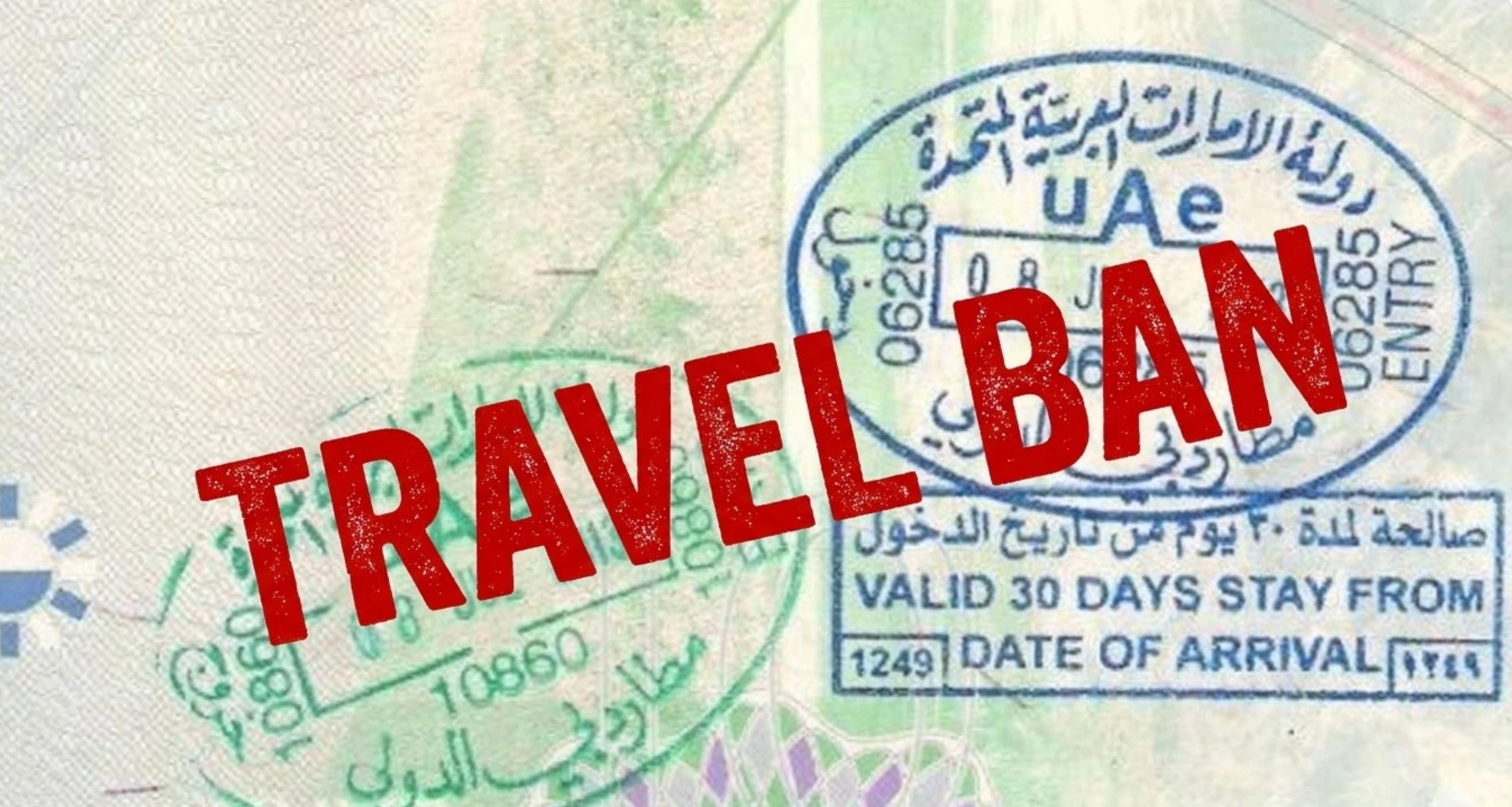
Travel Ban in the UAE: Complete Guide to Checking & Lifting Restrictions (2026)
How to check for a UAE travel ban, grounds for its imposition, and a step-by-step procedure for having it lifted.
Read more
How to Check If You Are on Interpol's Wanted List
Methods for verifying status in public and internal databases; why a clean public search result provides no legal guarantee.
Read more
Interpol Member Countries
Current list of 196 member states with commentary on notice enforcement practice.
Read more
Interpol Non-Member Countries List
Countries outside the organisation and the legal consequences for persons under international search.
Read more
Steps to Deleting Your Name from the Interpol Database in Dubai
The full procedure for submitting a CCF application and engaging with local authorities.
Read more