

 Home
HomeHow to Check If You’re on Interpol’s Wanted List: A Comprehensive Guide
Detention at the border often comes as an unpleasant surprise. A person plans a vacation or business trip, goes through passport control—and learns they are wanted. Luggage remains at the airport, tickets are wasted, and the process of clarifying circumstances begins.
Many rely on Interpol’s public database available on the organization’s official website. This is a mistake. The open registry contains information about so-called Red Notices—requests for the search and arrest of persons whose whereabouts are unknown. According to Interpol data, as of 2024, approximately 7,000 records are publicly available. However, the full database includes more than 66,000 active Red Notices, most of which are hidden from public view at the request of initiating countries or for reasons of investigation confidentiality.
The absence of your name in the open search guarantees nothing. A notice may be non-public, data may be entered with errors in name spelling, or the search may be initiated through other channels of interstate cooperation.This article will show you how to check if someone is wanted by Interpol and what steps to take if suspicions are confirmed.
Understanding Interpol Notices
Red Notice is often confused with an international arrest warrant. This is not the case. According to Article 82 of Interpol’s Rules on the Processing of Data (RPD), adopted by the General Assembly in 2019, a Red Notice represents a request to law enforcement agencies of member countries. The goal is to locate the wanted person and temporarily arrest them pending resolution of extradition matters.
The decision to arrest is made by the state on whose territory the person is found. Each country evaluates the request independently, based on national legislation and international obligations. Red Notice does not obligate arrest—it informs and recommends.
A more dangerous tool is Diffusion. This is a simplified format for transmitting information about searches that circulates directly between National Central Bureaus (NCBs) of Interpol in different countries. Diffusion does not undergo review by the General Secretariat in Lyon, does not enter the general database, and is almost never published on the website. According to Interpol’s 2023 report, the number of Diffusions exceeds the number of Red Notices by approximately two to one—about 12,000 active diffusions versus 7,000 public red notices.
Diffusion creates a risk of detention without prior notification. A person may not know about the search until crossing the border, since information is distributed in a closed manner between interested countries.
Interpol also uses other types of notices. Blue Notice requests additional information about a person’s identity or activities without implying arrest. Green Notice warns about persons who have committed crimes and are capable of repeating them in another country. Yellow Notice helps find missing persons. However, the real threat to freedom of movement is created precisely by Red Notice and Diffusion—the former due to wide international coverage, the latter due to secrecy and lack of public control.
How to Check Your Status
Interpol’s official website offers a public search form for Red Notices. The procedure is simple: on the page Interpol, you need to enter a surname and select citizenship from the dropdown list. The system displays matches if they exist in the open registry. This is the most basic way to check Interpol wanted list.
The problem is that this registry contains only the most high-profile cases. Interpol publishes notices only after assessing their compliance with Article 3 of the organization’s Constitution, which prohibits interference in matters of a political, military, religious, or racial nature. In addition, the initiating country may request confidentiality. As a result, most active Red Notices and all Diffusions remain hidden. The absence of your name on the website does not mean the absence of a search when you check Interpol status.
A reliable method is to contact the Commission for the Control of INTERPOL’s Files (CCF). This independent structure was created in 2017 to protect citizens’ rights and control the processing of personal data in Interpol’s systems. Article 36 of RPD guarantees any person the right to request access to information about themselves.
The request is submitted through the official form on the CCF website . The Commission checks for the presence of data about you in Interpol’s databases, including non-public Red Notices and Diffusions, and notifies the applicant of the results. The review period is up to four months according to the CCF Operating Rules adopted in 2022. This is the most thorough way to perform an Interpol wanted list search.
It is strictly forbidden to contact local police departments or Interpol NCBs with questions about your own wanted status. If a notice exists, the request will activate the detention procedure. Law enforcement officers are obligated to execute Red Notice or Diffusion immediately—you will not leave the station as a free person.When preparing a request to the CCF, it’s important not to disclose your current location and contact details that could be transmitted to the country initiating the search. The form requires an address for correspondence but does not oblige you to report your actual place of residence. Engaging a lawyer specializing in Interpol cases reduces the risk of inadvertently disclosing information. An attorney can submit a request on your behalf using the law firm’s address and receive a response confidentially without compromising your safety.
Consequences of Being Listed
Detention at the border triggers extradition procedures. A person is placed in a temporary detention facility or prison for up to 40 days according to typical provisions of national legislation of Interpol member countries, for example, Article 61 of the European Convention on Extradition of 1957. The requesting country sends an official request through diplomatic channels. Judicial review follows. In the European Union, the average extradition proceedings last 90 days; in other jurisdictions, the process stretches to 6–12 months. During all this time, the person remains in custody or under travel restrictions.
Financial blocking occurs even without arrest. Banks and financial institutions verify clients through compliance control systems such as World-Check (owned by LSEG) and Dow Jones Risk & Compliance. These databases automatically import data from public Red Notices and are regularly updated. According to a 2023 Financial Action Task Force (FATF) report, more than 80% of major banks use World-Check to screen clients for compliance with anti-money laundering (AML) and terrorist financing requirements.
Entry into the database leads to immediate account freezing. The bank is obligated to report suspicious activity to the national financial regulator. Opening a new account becomes impossible—systems block operations at the identity verification stage. Payment services like PayPal, Wise, or Revolut use the same databases and close access. This is particularly relevant for those facing charges of financial crimes.
Obtaining a visa becomes a formality with a predetermined outcome. Consulates check applicants through Interpol and national search databases. The Schengen Information System (SIS II) automatically records Red Notices for citizens attempting to enter the Schengen zone. Article 24 of EU Regulation 2018/1861 obliges consular services to refuse visas to persons who are wanted. Similar mechanisms operate in the USA (Customs and Border Protection TECS database), UK, Canada, and Australia.
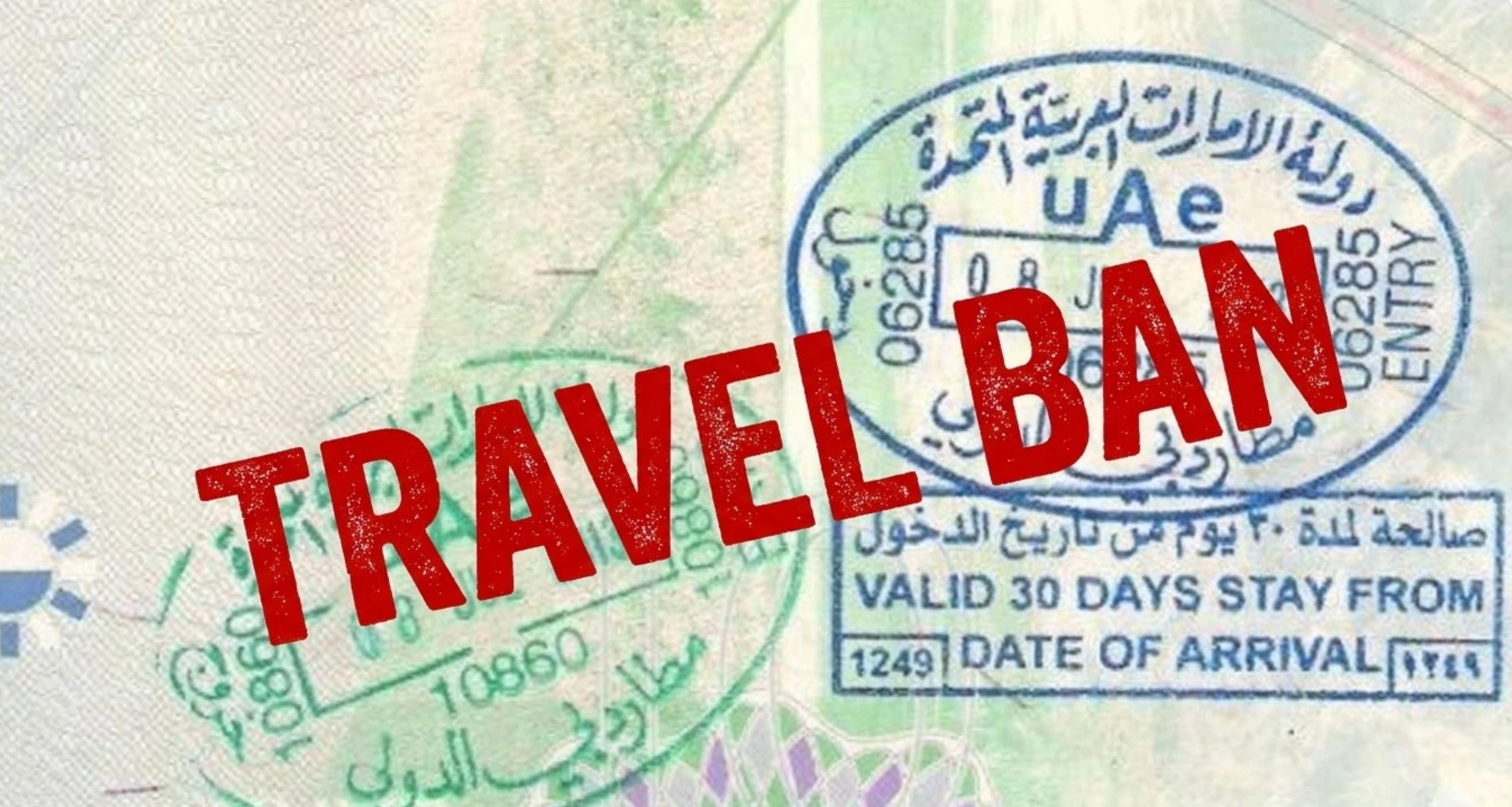
Residence permits are revoked even after years of legal residence. Immigration services conduct regular checks of residents through Interpol databases. Discovery of a Red Notice or Diffusion serves as grounds for revoking permission and deportation. In the UAE, for example, authorities deported several Russian businesspeople in 2022–2023 after they appeared in Interpol databases, despite having long-term investor visas.
Countries that seem safe due to the absence of extradition treaties also create risks. Interpol NCBs operate in 196 states. Even if there is no formal extradition agreement, local police receive notification and may detain a person “for clarification of circumstances.” What follows depends on political circumstances and bilateral relations. Deportation occurs under the guise of violating migration regime or threatening national security, bypassing extradition procedures.
Steps to Protect Yourself
Suspicion of being wanted requires immediate action. The first step is complete cessation of international travel. Crossing borders activates automatic passport data verification systems that match information with Interpol databases. Detention occurs at border control—there will be no exit from the passport inspection zone.
Refuse to use bank cards and accounts opened before suspicions arose. Transactions record your location through IP addresses of online payments, POS terminals in stores, and ATMs. Financial institutions transmit data about transaction geography to compliance services that cooperate with law enforcement. Switching to cash payments and local payment methods reduces digital footprint.
Old phone numbers and email addresses also compromise security. Telecom operators store subscriber location data through cell tower triangulation. According to EU Directive 2006/24/EC on data retention (repealed in 2014, but similar norms exist in national legislation), providers are obligated to retain connection metadata from 6 months to 2 years and provide it upon investigative request. Replace SIM cards, register new contacts using different documents or through anonymous services.
Simultaneously begin collecting evidence. You will need documents confirming political motivation of persecution or groundlessness of charges:
- court decisions and procedural documents from the country initiating the search, if available;
- conclusions from human rights organizations (Amnesty International, Human Rights Watch) about the justice situation in that country;
- expert assessments from international lawyers about the compliance of charges with Article 3 of Interpol’s Constitution;
- evidence of alibi or impossibility of committing the incriminated actions;
- evidence of political, religious, or human rights activities that could have caused criminal prosecution.
Contacting an attorney cannot be delayed. Specialization in international law and experience working with Interpol are critical—a standard criminal defense lawyer does not possess knowledge of CCF procedures and mechanisms for appealing Red Notices. A lawyer will assess risks, prepare a request to the Commission for the Control of Files, build a defense strategy, and if necessary, initiate a procedure to remove data from Interpol databases.
How Notices Are Removed
Removal from Interpol’s database is possible but requires time and evidence. Article 3 of Interpol’s Constitution prohibits the organization from interfering in matters of a political, military, religious, or racial nature. If a search is initiated for such motives, the notice is subject to cancellation. Understanding how Interpol’s most wanted designations can be challenged is crucial for those wrongfully listed.
The procedure begins with filing a complaint with the CCF. The form is available on the Commission’s official website—you need to state the grounds for data removal and attach supporting documents. The CCF considers two types of requests:
- Request for Access—verification of the presence of information about you in Interpol databases;
- Request for Correction or Deletion—demand to remove Red Notice or Diffusion from the system.
The Commission works independently of Interpol’s General Secretariat and member countries. According to Article 41 of RPD, the CCF is obligated to consider a complaint within four months from receipt of the complete document package. In practice, the process stretches to 9–18 months due to the need to request additional materials from the initiating country, conduct legal analysis, and coordinate decisions among Commission members. For those facing an Interpol arrest warrant, this timeline can feel interminable.
The evidentiary basis determines the outcome. The CCF requires confirmation of violation of Article 3 of the Constitution or non-compliance with procedural norms when issuing the notice. Examples of successful arguments:
- charges are related to political opposition, criticism of authorities, or human rights activities;
- criminal case is fabricated to eliminate a competitor or opponent;
- the procedure for initiating the case violated national legislation or international fair trial standards;
- persecution is based on religious beliefs, ethnic origin, or racial discrimination.
The CCF’s 2023 report shows that of 563 complaints reviewed, the Commission granted 142 (25.2%). Notices were removed or modified after being found non-compliant with constitutional requirements. However, 421 complaints were rejected due to lack of evidence or lawfulness of the search. This demonstrates that performing an Interpol arrest notice check through proper legal channels yields results in only a quarter of cases.
This is not a quick solution. While the CCF reviews the case, the Red Notice remains active. The risk of detention persists. Some lawyers recommend simultaneously filing complaints with the European Court of Human Rights (ECHR) or national courts of the country of residence to obtain temporary protection from extradition during proceedings.
Faced with an Interpol Notice Issue?
Discovering you’re on Interpol’s wanted list can happen when it’s already too late—at an airport, during a routine document check, or when trying to open a bank account. The public database shows only a fraction of actual notices, making proactive verification essential rather than optional.
Red Notices and Diffusions carry real consequences: arrest, prolonged detention, frozen assets, revoked visas, and deportation. The presumption that absence from the public list means safety is dangerous. Unpublished notices circulate between law enforcement agencies of 196 countries, creating invisible barriers that activate without warning.
Verification through the CCF provides certainty. The process takes months, requires legal expertise, and demands careful protection of your location. But it’s the only reliable method to confirm your status in Interpol’s systems before consequences materialize.
If you’re listed, removal is possible but not guaranteed. Success depends on proving political motivation, procedural violations, or Article 3 violations. The CCF grants approximately 25% of removal requests. The timeline stretches beyond a year. During this period, the notice remains active, and risks persist.
The key is acting before crossing borders, before financial systems flag your name, before immigration authorities discover the notice. Once detained, options narrow dramatically. Prevention requires understanding how these systems work, knowing when to check, and securing qualified legal counsel before taking any step that might trigger automatic alerts in Interpol’s global network.
FAQ
How do I find out if I have an Interpol red notice against me?
The only official route is to submit a written request to the Commission for the Control of Interpol’s Files (CCF) via interpol.int. You can also check the public-facing notice search on the Interpol website, but that database contains only a fraction of active notices — those which the requesting country has agreed to make public. Absence from the public list does not mean you are clear. The closed system (I-24/7) is accessible only to law enforcement. In practice, many people discover a Red Notice exists only when crossing a border or being stopped by police.
Is there a free online way to check my Interpol status?
Partially. The public notice search at interpol.int is free and requires no registration. It lets you search by name and displays Red Notices that have been made publicly available. However, this covers only a minority of active notices. There is no free tool that checks the full closed database. Any third-party website claiming to offer a complete Interpol check for a fee is not accessing the real database — only the same public information available free on Interpol’s own site.
How long does it take to get a response from Interpol’s CCF?
Standard processing takes 3 to 9 months. Complex or contested cases can take 12 to 18 months. An expedited procedure exists but is granted only in exceptional circumstances where the person can demonstrate urgent need — for example, an imminent arrest risk or scheduled border crossing. The CCF responds in writing. There is no online portal or real-time status update system.
What is the difference between an Interpol notice and a national arrest warrant?
A national arrest warrant is a legally binding domestic instrument issued by a court or prosecutor within a single country. It directly authorises arrest on that country’s territory and has immediate legal force for police. An Interpol Red Notice is a request addressed to 196 member countries asking them to locate and provisionally detain a person pending extradition. It is not an arrest warrant. It has no automatic legal force anywhere — each country decides independently whether to act on it under its own domestic law. Some countries treat Red Notices as sufficient grounds for detention; others require a separate judicial step before any arrest.
Can I travel internationally if I have an Interpol notice?
Technically yes, but with serious risk. Every time you cross a border through an official checkpoint, your passport is run against databases that include Interpol’s system. If a Red Notice is active against you and the country you are entering chooses to act on it, you can be detained. Transit countries carry the same risk. Countries that have strong law enforcement cooperation with the requesting state are particularly dangerous to transit through. Without legal resolution of the underlying notice, international travel is a calculated risk that can result in arrest at any checkpoint.