

 Home
HomeBounced Cheque Law in UAE (2026 Guide)
The bounced cheque law in UAE transformed radically after 2022 amendments. The bouncing check law in Dubai specifically shifted enforcement toward fast-track civil recovery. The new bounced cheque law in the UAE shifted focus from criminal prosecution to fast-track civil enforcement. Federal Decree-Law No. 14 of 2020 decriminalized most cases of insufficient funds, making cheques an efficient recovery tool rather than a punitive instrument.
The new bounced cheque law in UAE allows creditors to approach Execution Court directly, bypassing police and prosecution. The bounced cheque in UAE law now requires no proof of intent—bank refusal alone enables recovery. This reform made UAE’s financial market more transparent and predictable.
Civil Liability vs. Criminal Offense: Key Distinctions
Understanding bounced cheque UAE liability types determines your legal strategy. The legislator clearly separated ordinary insolvency (civil) from malicious actions (criminal).
Civil liability arises automatically when banks refuse payment due to insufficient funds. Creditors apply directly to Execution Court, obtaining writs of execution within 2–4 weeks. No arrest or imprisonment—only debt repayment orders with interest and costs.
Criminal liability requires proven malicious intent: closing accounts before payment dates, cheque recalls, bank non-payment orders, or signature forgery. These cases need serious evidence and may involve financial crimes in the UAE prosecution.
| Criterion | Civil Liability | Criminal Liability |
| Basis | Insufficient funds at presentation | Malicious intent: account closure, cheque recall, payment stoppage, forgery |
| Instance | Execution Court | Criminal Court |
| Procedure | Simplified: application with cheque and bank refusal | Full investigation with intent evidence |
| Processing Time | 2–4 weeks to writ of execution | Several months to one year |
| Consequences | Debt recovery, interest, court costs, travel ban | Fine up to AED 10,000, imprisonment up to 2 years, criminal record |
| Burden of Proof | Minimal: cheque and refusal suffice | Prosecution proves intentional actions |
| Settlement | Anytime; payment terminates proceedings | Possible before conviction; case may continue |
Over 95% of cheque disputes resolve civilly. Criminal cases apply only with obvious fraud. Those facing potentialinternational extradition in Dubai should seek immediate counsel.
The “Cheque as an Executive Deed” Mechanism
Under the new bounced cheque law in UAE, cheques function as executive deeds—equivalent to court judgments. Creditors skip full civil proceedings and go directly to Execution Judges for enforcement.
The process is straightforward: submit the original cheque and bank refusal certificate. Judges verify formal requirements (signature, date, amount consistency). Absent defects, writs of execution issue within 10–21 working days.
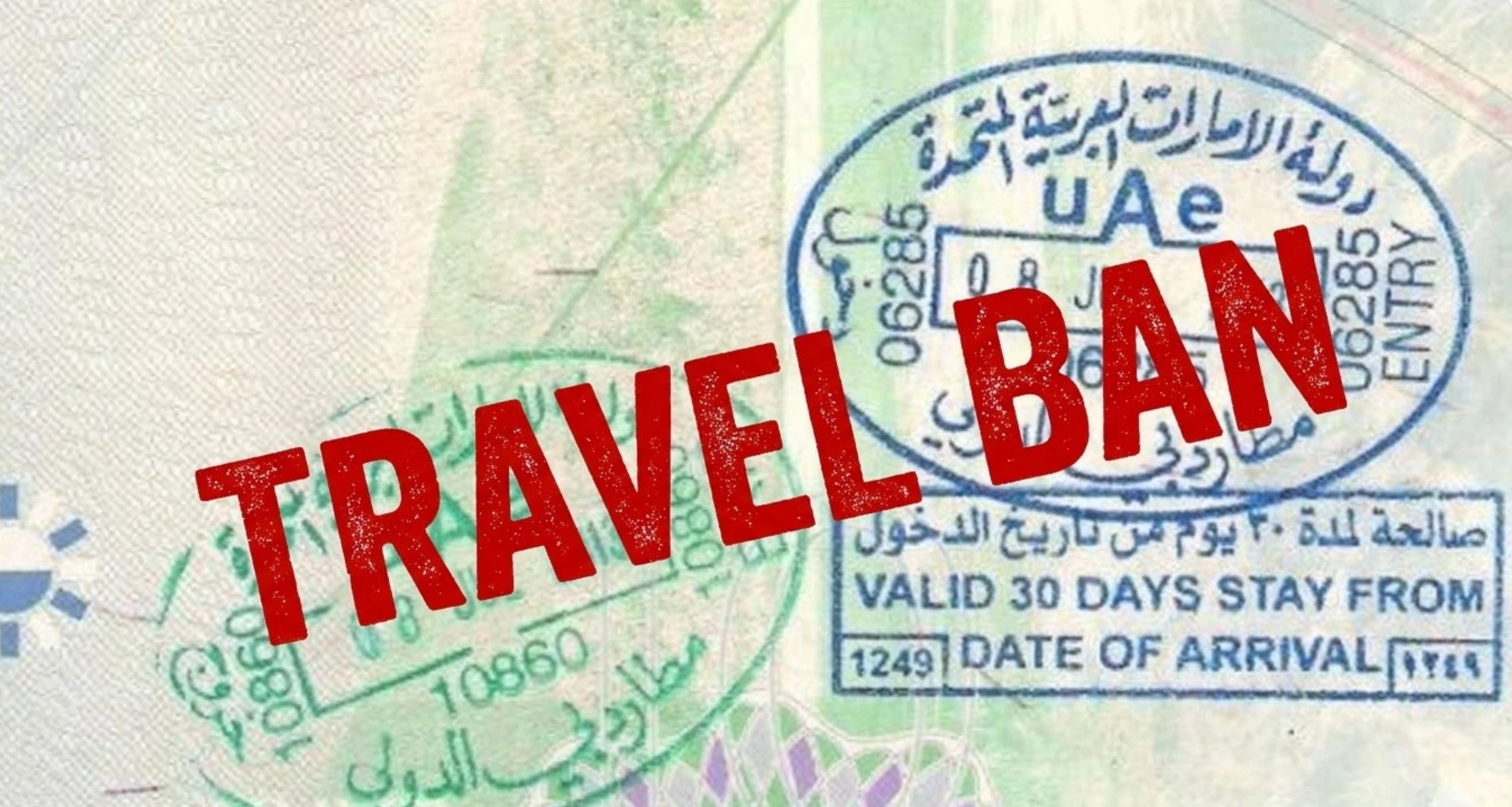
Debtors receive 5-day repayment notices. Non-payment triggers account arrests, asset blocking, and travel ban for bounced cheque cases. Debtors may contest writs through separate proceedings proving invalidity—signature forgery, debt absence, or prior obligation discharge.This system transformed cheques into UAE’s most effective commercial security instrument. Details available on the UAE Federal Decree-Law No. 14 of 2020 portal.
Penalties and Fines Structure
UAE law imposes structured administrative penalties for bounced cheques. Understanding the bounce cheque penalty in UAE is essential. These sanctions are mandatory and payable to the state, separate from any underlying debt obligations to the creditor. The penalty framework operates on the following tiers:
- Up to AED 50,000: AED 1,000–2,000 fine;
- AED 50,001–100,000: AED 2,000–5,000 fine;
- AED 100,001–200,000: AED 5,000–10,000 fine;
- Over AED 200,000: Up to AED 10,000 plus potential additional sanctions.
Repeated violations or proven malicious intent may double penalties.
Critical: Paying fines doesn’t discharge principal debt. Fines go to the state budget; debts remain fully recoverable through Execution Court with interest and costs. Debtors face double financial burdens.
Courts may reduce fines considering voluntary pre-judgment repayment, clean records, and evidence of temporary financial difficulties. However, complete exemptions aren’t granted—administrative penalties remain even with creditor settlements.
Legal Process for Creditors: How to Recover Funds
Recovering funds on a cheque bounce in UAE follows standardized procedures. The process begins with formal bank documentation and progresses through either civil debt recovery or criminal prosecution pathways, depending on the circumstances of the dishonor. Creditors must act promptly to preserve their legal rights and maximize recovery prospects.
Bank Procedure: Obtaining the Return Memo
- Present cheques to payer banks within prescribed periods. Banks verify funds and either pay or refuse with stated reasons. Upon refusal, holders receive Return Memos (Certificates of Non-Payment) containing presentation dates, cheque numbers, amounts, and exact refusal reasons.
Typical grounds: “insufficient funds,” “account closed,” “signature mismatch,” “payment stopped.” Wording determines strategy—insufficient funds leads to civil recovery; payment stoppage may indicate malicious intent.
Obtain certificates within 6 months of cheque dates. Missing deadlines doesn’t eliminate recovery rights but complicates procedures—requiring ordinary civil proceedings. More details on the Dubai Courts portal.
Partial Payment: Creditor’s Right to Proportional Settlement
- The bounced cheque law in UAE grants creditors rights to demand partial payment when accounts contain insufficient amounts. Banks must notify holders of partial coverage availability.
Accepting partial payment preserves rights to recover balances. Creditors receive two certificates: paid portion confirmation and Return Memos for unpaid remainders. Enforcement proceeds for differences between cheque amounts and received payments.
Refusing partial payment is irrational—courts consider repayment attempts when determining interest and costs.
Filing for Execution: Direct Court Application and Timeframes
- With Return Memos, creditors file writ of execution applications at Execution Courts. Each cheque execution case UAE follows a standardized registration procedure within 1–2 working days.
Applications require: original cheques, bank refusal certificates, Emirates ID copies (or trade licenses), and powers of attorney if represented.
Courts register applications within 1–2 working days. Debtors receive proceedings notices and 5-day repayment demands. Without objections, judges issue writs on days 10–15. With objections (authenticity disputes, repayment declarations, transaction invalidity), hearings extend processes to 3–4 weeks.
Writs go to Enforcement Departments for asset arrests: account blocks, property/vehicle registration prohibitions, travel bans. Debtors may settle anytime—repayment terminates enforcement immediately, though costs and interest remain payable. Those concerned about Interpol diffusion should act promptly.
Legal Process for Debtors: How to Resolve the Case
A bounced cheque Dubai case without coverage triggers serious restrictions: asset arrests, account blocks, travel bans. Prompt action is essential to minimize legal exposure and negotiate favorable settlement terms before enforcement measures escalate. Understanding case status and available resolution options allows debtors to regain control of their financial and legal position.
Case Status Check: Monitoring Through Official Channels
Determine whether enforcement proceedings commenced and what restrictions apply. Dubai Police App provides status checking for any cheque execution case Dubai residents face—enter Emirates ID and cheque number. Systems display initiated cases, debt amounts, and active travel bans.
Other emirates: check Unified Portal for Judicial Services and regional court websites. Abu Dhabi Judicial Department (ADJD) and Sharjah Courts offer online enforcement checking. Public Prosecution systems show criminal cases.
Regular monitoring prevents surprises—many learn about travel ban for bounced cheque only at airports, disrupting business and damaging reputations.
Settlement & Payment: Court Deposit vs. Direct Creditor Payment
Two repayment methods exist: court deposits or direct creditor payments with claim waivers.
- Court deposits suit conflicting relationships or absent creditor contact. Deposit debt amounts, interest, and costs into Execution Court accounts. Courts notify creditors and lift restrictions within 3–5 days. This method eliminates payment disputes.
- Direct creditor payments expedite processes and allow negotiating reductions or installment plans. After receiving funds, creditors file claim waivers with payment evidence. Courts close cases within 2–3 days and cancel enforcement. Risk: creditor bad faith—receiving money but not filing waivers. Protection: execute notarized full discharge agreements before transferring funds.
Courts encourage amicable settlements. Parties may execute settlement agreements for installment plans or partial forgiveness, registered with courts as writs of execution. Violating installments resumes recovery without re-application. Contact us for professional guidance.
Lifting Travel Ban: Automatic and Manual Removal Procedures
Travel bans lift automatically upon case closure, but technical processing takes 24–72 hours. Immigration receives court notifications through GDRFA systems; databases update. Check status via ICP Smart Services App or GDRFA website before booking.
Automatic removal sometimes fails due to delays or registry errors. Manual intervention requires Execution Court applications for official clearance letters to immigration. Include repayment evidence and closure documents. Courts issue letters within 1–2 days; present at airports or GDRFA offices.
Multiple bans require separate verification—one cheque may figure in several cases (civil, administrative, criminal). Close all proceedings; repaying one doesn’t cancel others. Comprehensive GDRFA checks show complete restriction lists with case numbers.
Corporate Cheques & Manager’s Liability
Corporate cheques create complex liability between entities and signatories. Companies answer for obligations executed in their names, but law pierces corporate veils for authority abuse or fraud. Those facing Interpol arrest warrants in the UAE require specialized counsel.
Company Liability: Default Rule
Cheques on company letterheads signed by authorized persons create entity obligations. Recovery targets company assets: accounts, real estate, equipment, receivables. Execution Courts issue writs against indicated companies regardless of signatory identity.
LLC (Federal Law No. 32 of 2021) protects participants from personal liability. Directors/managers acting within authority and good faith don’t risk personal property. Creditors can’t demand recovery from signatories if cheques are correctly executed.
Exceptions exist: insufficient assets plus established business violations or asset withdrawal may trigger beneficiary liability through separate proceedings.
Personal Liability: When Managers Face Direct Consequences
Managers answer personally in three categories: authority excess, fraud, or fund mixing.
Authority excess occurs when managers issue cheques without proper powers of attorney or participant decisions. Creditors may recover from both companies and managers personally. Courts evaluate charters, protocols, and powers of attorney.
Fraud entails unconditional personal liability. Typical scenarios: issuing cheques knowing of upcoming liquidations/asset transfers, closing corporate accounts after transferring cheques, or ordering banks not to pay while concealing this. Prosecution initiates criminal proceedings; proven fraud enables recovery from personal assets. Cross-border cases may requireInterpol lawyers in Dubai.
Fund mixing—using company accounts for personal expenses, withdrawing funds to relatives, lacking separate accounting—may cause courts to recognize LLCs as fictitious. All company debts become controlling persons’ personal obligations under alter ego doctrine.
Creditors must file separate claims substantiating corporate veil piercing with evidence: correspondence, bank statements, expert opinions. Travel bans may apply to both companies and managers personally. Managers defend with documentary confirmations: participant decisions, powers of attorney, protocols, and financial statements.
Limitation Periods (Statute of Limitations)
The UAE legal framework establishes precise timeframes that govern cheque-related claims, creating a dual-track system that distinguishes between the cheque’s executive power and the underlying debt obligation. Understanding these temporal boundaries is critical for creditors seeking to enforce payment rights, as different limitation periods apply to cheque presentation versus civil debt recovery. Failure to act within statutory windows can fundamentally alter the legal remedies available, transforming what could be swift executive enforcement into lengthy litigation proceedings.
Cheque Presentation Period: Six-Month Window
Present cheques within 6 months of indicated dates (Article 648, Federal Law No. 50 of 2022). This preclusive period cannot be restored or extended. Count begins from cheque dates, not transfer moments.
Missing six months doesn’t destroy debt rights but deprives cheques of executive status—requiring ordinary lawsuits proving obligations. Reference materials at Central Bank of UAE.
Civil Claim Period: Three-Year Limitation
Civil recovery limitation is 3 years from claim right emergence (Federal Law No. 5 of 1985, as amended 2023). Claim rights arise when cheques should have been paid—indicated dates or refusal dates in Return Memos.
Interruption occurs when debtors recognize debts: partial payments, written confirmations, restructuring agreements. Three-year periods restart after each action. Courts evaluate interruption evidence strictly.
Expiration gives debtors limitation objection rights. Courts don’t apply periods automatically—only upon motions.
Criminal Prosecution Period: Five-Year Timeframe
Criminal prosecution for intent-based fraud is possible within 5 years from crime commission (Federal Decree-Law No. 38 of 2022). Crime moments are determined by malicious action dates: account closures, payment stop orders, signature forgeries.
Prosecution may initiate proceedings anytime within five years after receiving complaints and intent materials. Most cases initiate within 12–18 months—evidentiary bases weaken over time.
Suspension applies if debtors flee beyond UAE borders—periods suspend during absences. Courts require documentary confirmation: passport stamps, GDRFA records.
Civil and criminal proceedings don’t affect each other’s limitations. In any cheque case in UAE, creditors may simultaneously recover debt (three-year) and facilitate prosecution (five-year) in parallel.
Legal Assistance in Bounced Cheque Cases in the UAE
Disputes over bounced cheque UAE require quick reactions and precise procedural understanding.Errors, missed deadlines, or incorrect instance choices increase losses and delay resolutions. Professional assistance is critical for creditors recovering funds and debtors avoiding criminal consequences.
Creditors benefit from early consultations. Specialists evaluate recovery prospects, verify cheque execution, and identify fraud signs. Competent Execution Court applications reduce writ receipt to 10–12 days instead of 3–4 weeks. Lawyers coordinate Enforcement Department interaction, ensuring prompt asset arrests before withdrawals.
Debtors need protection from disproportionate sanctions and unlawful demands. Attorneys analyze issuance grounds, verify repayments or counterclaims, and contest authenticity when necessary. Timely amicable settlements allow negotiating installments, reductions, or partial forgiveness.
Corporate disputes add complexity—delimiting company/manager liability, analyzing constituent documents, assessing veil-piercing risks. Businesses need lawyers for signatory authority audits and executive liability risk minimization.
Seeking consultation immediately after Return Memo receipt or court notification provides maximum solution possibilities. Delay reduces defense options and increases costs—arrested assets, travel bans, interest, and fines create avoidable pressure.
Qualified legal assistance transforms potentially destructive situations into manageable processes with predictable outcomes. Understanding the new cheque bounce law in UAE 2025 and its current 2026 applications ensures proper navigation. Whether dealing with new bounced cheque law in UAE provisions or bounced cheque in UAE law applications, professional guidance remains essential for protecting your interests.
FAQ
What are the penalties for a bounced cheque in the UAE in 2026?
Bounced cheques in the UAE are no longer automatically criminal, but civil liability, credit damage, bank bans, and jail risks still apply in 2026. For a standard insufficient funds case, the penalty is a fine calibrated to the cheque value. If the cheque is under AED 200,000, the issuer can avoid criminal proceedings by paying a fine. If the amount exceeds AED 200,000, the Public Prosecutor takes statements from both parties and refers the case to criminal court. Where fraud or intent is proven, penalties include imprisonment of six months to two years, or a fine of at least 10% of the cheque value with a minimum of AED 5,000. For forgery, imprisonment of at least one year plus fines of AED 20,000–100,000 apply.
Can you be arrested for a dishonoured cheque in Dubai?
Yes, but only in specific circumstances. Six situations retain criminal liability: account closure before presentation, stop payment instructions without lawful justification, deliberate withdrawal of funds after issuance to prevent payment, issuing a cheque with fraudulent intent from the outset, forgery or counterfeiting, and use of a genuine cheque belonging to another person. Even in civil cases, arrest remains possible indirectly — if the issuer raises no valid objection and does not pay within 15 days, the Execution Judge can order a travel ban and arrest warrant.
Has the UAE bounced cheque law changed in recent years?
Significantly. The reform process began with Federal Decree-Law No. 14 of 2020, was formalised by Federal Decree-Law No. 31 of 2021 abolishing criminal penalties for cheques returned without malicious intent, and was consolidated in practice by 2026. A bounced cheque due to insufficient funds no longer results in immediate arrest. The entire system has shifted toward fast-track civil recovery, giving creditors almost instant tools for asset seizure and travel bans. Cheques now function as executive deeds equivalent to court judgments, allowing creditors to bypass police and go directly to the Execution Court.
What should I do if I receive a bounced cheque from someone in the UAE?
Obtain the bank’s official return memo — it contains the presentation date, cheque number, amount, and exact reason for refusal. Issue a formal written demand for payment. If ignored, file a writ of execution at the Execution Court with the original cheque and bank refusal certificate. Courts register applications within 1–2 working days. The debtor receives a proceedings notice and a 5-day repayment demand. Non-payment triggers account freezes, asset blocking, and a travel ban. If there is clear evidence of fraud or deliberate intent, a criminal complaint can be filed as a parallel route.
Can a bounced cheque case in UAE lead to an Interpol notice?
In theory yes, but only under very specific conditions. A standard civil bounced cheque — insufficient funds, no fraudulent intent — will not lead to an Interpol notice. For an Interpol Red Notice to be issued, there must be a criminal conviction or active arrest warrant, the offence must carry a sentence of at least two years, and the suspect must have left the UAE’s jurisdiction. This threshold is only realistically reached in cases involving large-scale fraud, deliberate asset concealment, or serial cheque fraud with clear criminal intent. For cheques above AED 200,000 that go through criminal court and result in a conviction with an active warrant, UAE authorities can technically request a Red Notice if the individual has fled the country. In practice, however, Interpol notices for bounced cheque cases are rare and typically reserved for large financial fraud schemes rather than individual dishonoured cheques.